



The degree to which a driver can legally tint their car’s windows vary from state to state. To make it just a little easier for drivers, we’ve got all the laws here in one place.
Window tint laws vary state to state, window to window. Click on a state to find out what window tint laws allow in your state.
Includes most 2-4 door vehicles that seat 5 or fewer passengers.
Front Side Windows: may have tinting that allows at least 32% light transmission with a 3% tolerance.
Windshield: Only the upper six inches of the front windshield may be tinted. The material applied must be transparent.
Back Side Windows: may have tinting that allows at least 32% light transmission with a 3% tolerance.
Rear Window: may have tinting that allows at least 32% light transmission with a 3% tolerance.
The reflective material may not reflect more than 20% of light.
The manufacturer determines the classification of the vehicle.
Windshield: Front windshield and front seat windows are subject to the same restrictions as passenger cars and station wagons.
Front Side Windows: On the windows behind the driver, darker tinting is permitted as allowed by the manufacturer of the vehicle by Federal Law.
Back Side Windows: On the windows behind the driver, darker tinting is permitted as allowed by the manufacturer of the vehicle by Federal Law.
Rear Window: Any tint darkness allowed.
Window tint with metallic particles to give glass a silver/mirror look. This reflects glare and rejects heat.
Windshield: Reflective tint is prohibited.
Front Side Windows: Reflective tint is prohibited.
Back Side Windows: Reflective tint is prohibited.
Rear Window: Reflective tint is prohibited.
Other limits, restrictions, or allowances
Mirrors: Dual side mirrors are REQUIRED if windows behind the driver are tinted.
Medical Waivers: You may apply for an exemption from this chapter for certain medical conditions. Certification must be made by your physician. The exemption may be issued with conditions and limitations prescribed by the Department of Public Safety.
VLT Stickers: All new tinting and vehicles with existing tinting, that meets the standards, must display a visible sticker/label of compliance. These stickers/labels must be affixed by a tinting dealer.
Includes most 2-4 door vehicles that seat 5 or fewer passengers.
Windshield: Post-manufacturer tint is allowed above the manufacturer’s AS-1 line, or on the top 5 inches of the windshield, whichever is smaller.
Front Side Windows: 35% VLT
Back Side Windows: 35% VLT
Rear Window: 35% VLT
Includes minivans, SUVs, vans, vehicles such as buses and taxis that transport people for hire, and trucks that have a gross vehicle weight rating equal to or less than 10,000 pounds.
Windshield: Post-manufacturer tint is allowed above the manufacturer’s AS-1 line, or on the top 5 inches of the windshield, whichever is smaller.
Front Side Windows: 35% VLT
Back Side Windows: Any tint darkness allowed
Rear Window: Any tint darkness allowed
Window tint with metallic particles to give glass a silver/mirror look. This reflects glare and rejects heat.
Windshield: Reflective tint is prohibited.
Front Side Windows: Reflective tint is prohibited.
Back Side Windows: Reflective tint is prohibited.
Rear Window: Reflective tint is prohibited.
Other limits, restrictions, or allowances
Prohibited Tint Colors: Red, yellow, and amber tints are not allowed on any window. Tint with a sparkling effect is also prohibited.
Mirrors: Dual side mirrors are REQUIRED if windows behind the driver are tinted.
Certification: No certification requirements are specified in Maryland law.
VLT Stickers: No VLT stickers required
Includes most 2-5 Door vehicles that seat less than 5 passengers.
Windshield: Non-reflective above the AS-1 line or top 5″
Front Side Windows: 32% VLT
Back Side Windows: 32% VLT
Rear Window: 32% VLT
Minivans, Pickups, SUVs, etc. that are designed to carry less than 10 passengers.
Windshield: Non-reflective above the AS-1 line or top 5″
Front Side Windows: 32% VLT
Back Side Windows: Any tint darkness
Rear Window: Any tint darkness
Window tint with metallic particles to give glass a silver/mirror look. This reflects glare and reject heat.
Windshield: Prohibited
Front Side Windows: Max. 20% Reflective
Back Side Windows: Max. 20% Reflective
Rear Window: Max. 20% Reflective
Other limits, restrictions, or allowances
Prohibited Tint Colors: Red, Amber, and Yellow
Mirrors: Dual side mirrors are REQUIRED if rear window is tinted.
Certification: NC does not require certified tint
VLT Stickers: NC does not require VLT stickers
Includes most 2-5 Door vehicles that seat 5 or fewer passengers.
Windshield: non-reflective tint is allowed above the manufacturer’s AS-1 line. If the AS-1 line is not visible, no tint is allowed.
Front Side Windows: 27% VLT
Back Side Windows: 27% VLT
Rear Window: 27% VLT
Minivans, SUVs, etc. that are designed to carry 10 or fewer passengers.
Windshield: Non-reflective tint is allowed above the manufacturer’s AS-1 line. If the AS-1 line is not visible, no tint is allowed.
Front Side Windows: 27% VLT
Back Side Windows: No tint limitations specified in South Carolina law
Rear Window: No tint limitations specified in South Carolina law
Window tint with metallic particles to give glass a silver/mirror look. This reflects glare and reject heat.
Windshield: Reflective tint is not allowed
Front Side Windows: Reflective tint is not allowed
Back Side Windows: Reflective tint is not allowed
Rear Window: Reflective tint is not allowed
Other limits, restrictions, or allowances
Prohibited Tint Colors: Red, yellow, and amber
Mirrors: Dual side mirrors are REQUIRED if rear window is tinted
Certification: Any vehicle equipped with an after-factory window tint must also have a certificate of compliance with a size and form approved by the Department of Public Safety.
VLT Stickers: A certificate of compliance should be attached to the inside lower-right corner of each window that has an after-factory window tint. This sticker should contain the following information:
Includes most 2-5 Door vehicles that seat 5 or fewer passengers.
Windshield: Transparent tint is allowed above the manufacturer’s AS-1 line.
Front Side Windows: 28% VLT
Back Side Windows: 15% VLT
Rear Window: 15% VLT
Minivans, SUVs, pickup trucks, etc. if they have special features for occasional off-road operation and are designed to carry 10 or fewer passengers.
Windshield: Transparent tint is allowed above the manufacturer’s AS-1 line.
Front Side Windows: 28% VLT
Back Side Windows: 6% VLT
Rear Window: 6% VLT
Window tint with metallic particles to give glass a silver/mirror look. This reflects glare and rejects heat.
Windshield: Transparent tint is allowed above the manufacturer’s AS-1 line. No reflectivity limits are specified.
Front Side Windows: Max. 25% Reflective
Back Side Windows: Max. 35% Reflective
Rear Window: Max. 35% Reflective
Other limits, restrictions, or allowances
Prohibited Tint Colors: Any tint that alters the window’s color is prohibited
Mirrors: Dual side mirrors are REQUIRED if any window behind the driver is non-transparent
Certification: No certification is required to install an after-factory window tint
VLT Stickers: The installer or seller of an after-factory window tint must attach a nonremovable, vinyl-type film label to the inside left door jamb of the motor vehicle. This label should contain the following information:
Includes most 2-5 Door vehicles that seat 5 or fewer passengers.
Windshield: Transparent tint is allowed above the manufacturer’s AS-1 line, or on the top 5 inches of the windshield, whichever is smaller. No red or amber tint allowed.
Front Side Windows: 25% VLT
Back Side Windows: 25% VLT
Rear Window: 25% VLT
Minivans, SUVs, etc. that are designed to carry 10 or fewer passengers.
Windshield: Transparent tint is allowed above the manufacturer’s AS-1 line, or on the top 5 inches of the windshield, whichever is smaller. No red or amber tint allowed.
Front Side Windows: 25% VLT
Back Side Windows: 25% VLT
Rear Window: 25% VLT
Window tint with metallic particles to give glass a silver/mirror look. This reflects glare and rejects heat.
Windshield: Transparent tint is allowed above the manufacturer’s AS-1 line. No reflectivity limits are specified.
Front Side Windows: Max. 25% Reflective
Back Side Windows: Max. 25% Reflective
Rear Window: Max. 25% Reflective
Other limits, restrictions, or allowances
Prohibited Tint Colors: Red and amber tint colors are prohibited on the windshield. No other tint color prohibitions are specified
Mirrors: Dual side mirrors are REQUIRED if any window behind the driver is between 10% and 25% VLT (only applicable to cars manufactured prior to 1996)
Certification: Anyone who sells or installs window tint must certify in a written statement that the product meets Oklahoma state requirements and that the installation may be illegal in some states.
VLT Stickers: No VLT stickers required
Includes most 2-5 Door vehicles that seat 5 or fewer passengers.
Windshield: Non-reflective tint is allowed if the bottom edge of the material is at least 29 inches above the driver’s seat.
Front Side Windows: Minimum 88% VLT for aftermarket film, or 70% VLT when combined with factory-tinted windows.
Back Side Windows: Any tint darkness allowed
Rear Window: Any tint darkness allowed
Minivans, Pickups, SUVs, etc. that are designed to carry 10 or fewer passengers.
Windshield: Non-reflective tint is allowed if the bottom edge of the material is at least 29 inches above the driver’s seat.
Front Side Windows: Minimum 88% VLT for aftermarket film, or 70% VLT when combined with factory-tinted windows.
Back Side Windows: Any tint darkness allowed
Rear Window: Any tint darkness allowed
Window tint with metallic particles to give glass a silver/mirror look. This reflects glare and rejects heat.
Windshield: Reflective tint is not allowed
Front Side Windows: Reflective tint is not allowed
Back Side Windows: Reflective tint is not allowed
Rear Window: Reflective tint is not allowed
Other limits, restrictions, or allowances
Prohibited Tint Colors: Red, Blue, and Amber tint is prohibited. Side windows must be colorless.
Mirrors: Dual side mirrors are REQUIRED if rear window is tinted
Certification: Vehicles with window tint are required to carry a certificate signed by the installing company or material’s manufacturer, declaring that the window tint complies with California law, and identifying the manufacturer of the window tint.
VLT Stickers: VLT stickers are not required.
Includes most 2-5 Door vehicles that seat 5 or fewer passengers.
Windshield: 25% VLT tint or more is allowed above the manufacturer’s AS-1 line (top 5 inches).
Front Side Windows: 25% VLT
Back Side Windows: 25% VLT
Rear Window: 25% VLT
Minivans, Pickups, SUVs, etc. that are designed to carry 10 or fewer passengers.
Windshield: 25% VLT tint or more is allowed above the manufacturer’s AS-1 line (top 5 inches).
Front Side Windows: 25% VLT
Back Side Windows: Any tint darkness
Rear Window: Any tint darkness
Window tint with metallic particles to give glass a silver/mirror look. This reflects glare and rejects heat.
Windshield: Max. 25% reflective window tint is allowed above the manufacturer’s AS-1 line (top 5 inches).
Front Side Windows: Max. 25% Reflective
Back Side Windows: Max. 25% Reflective
Rear Window: Max. 25% Reflective
Other limits, restrictions, or allowances
Prohibited Tint Colors: Red, Amber, and Blue
Mirrors: Dual side mirrors are REQUIRED if rear window is tinted less than 25% VLT.
Certification: Manufacturers who tint the side windows of passenger vehicles and the front side windows in all other vehicles must be certified by the Texas Department of Public Safety.
VLT Stickers: Manufacturers who tint windows must include a label that contains the name or registration number of the manufacturer and a statement that complies with the Texas Transportation Code.
Includes most 2-5 Door vehicles that seat 5 or fewer passengers.
Windshield: 70% VLT non-reflective tint allowed on the top 4 inches of the windshield.
Front Side Windows: 27% VLT
Back Side Windows: 27% VLT. Darker tint is allowed if front side windows and windshield have at least 70% VLT.
Rear Window: 27% VLT. Darker tint is allowed if front side windows and windshield have at least 70% VLT.
Minivans, Pickups, SUVs, etc. that are designed to carry 10 or fewer passengers.
Windshield: 70% VLT non-reflective tint allowed on the top 4 inches of the windshield.
Front Side Windows: 27% VLT
Back Side Windows: 27% VLT. Darker tint is allowed if front side windows and windshield have at least 70% VLT.
Rear Window: 27% VLT. Darker tint is allowed if front side windows and windshield have at least 70% VLT.
Window tint with metallic particles to give glass a silver/mirror look. This reflects glare and rejects heat.
Windshield: Reflective tint is not allowed
Front Side Windows: Reflective tint is not allowed
Back Side Windows: Reflective tint is not allowed
Rear Window: Reflective tint is not allowed
Other limits, restrictions, or allowances
Prohibited Tint Colors: Red and amber tint is prohibited on the windshield
Certification: Colorado law does not specify any certification requirements
VLT Stickers: Colorado law does not specify any VLT sticker requirements
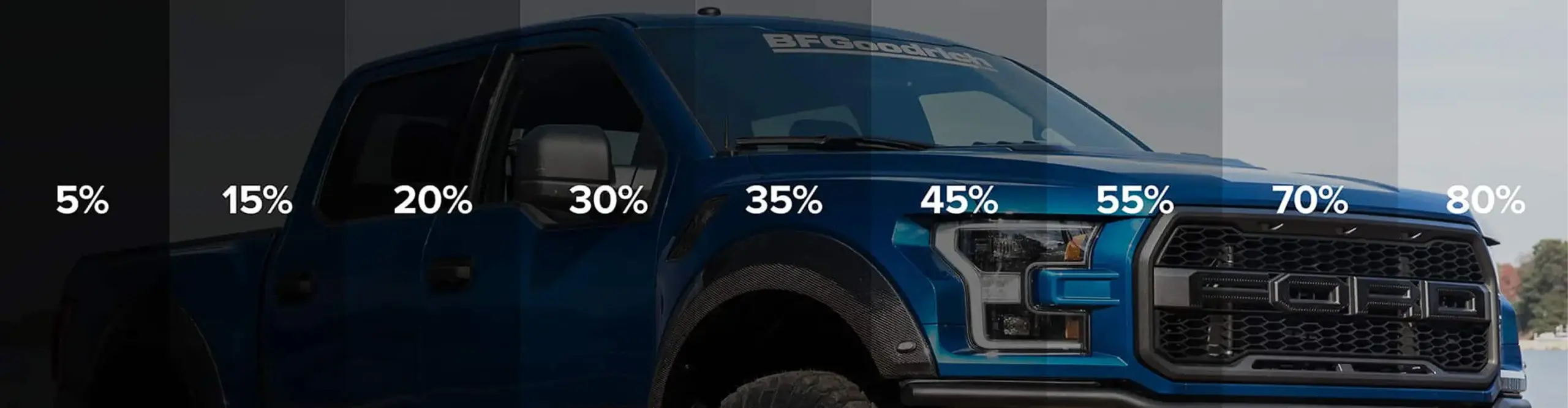

We can give you the darkest look possible without violating your state’s window tint laws.
Tinting your windows with the professionals at Sun Stoppers helps you stay in accordance with the law. We can give you the darkest look possible without violating your state’s window tint laws.
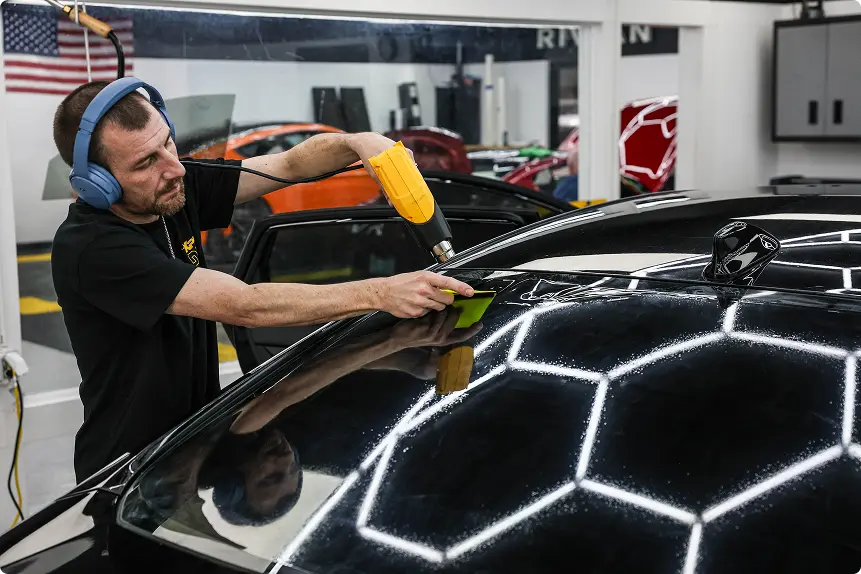
Tinting your car’s windows gives you protection from dangerous UV rays, improves your driving comfort and protects your belongings.
However, each state has different window tinting laws drivers must follow to avoid citations or “fix-it” tickets.
It’s important other drivers and pedestrians are able to make eye contact and see where you’re looking. Law enforcement also needs to be able to identify the driver in a vehicle.
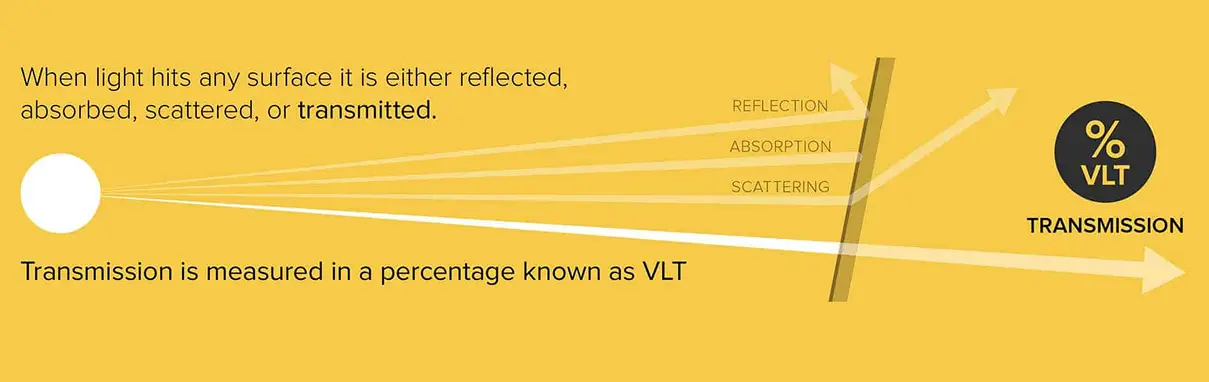
VLT = VISIBLE LIGHT TRANSMISSION
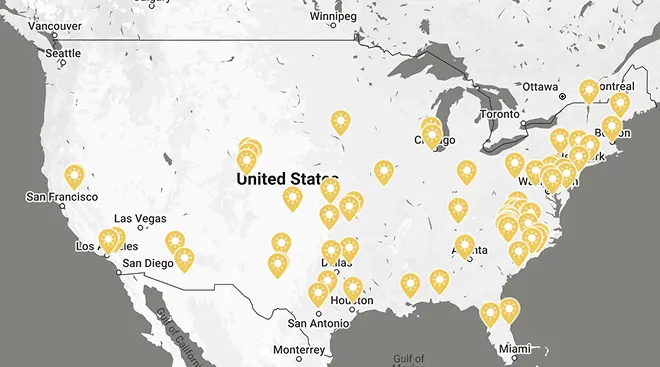
 Find Nearest Location
 Get A Quote